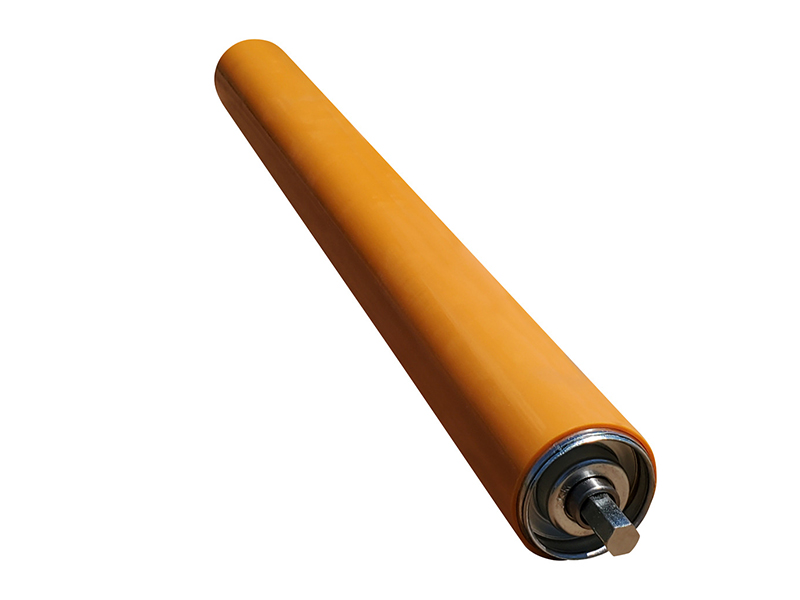
Introduction to Polyurethane Coated Conveyor Rollers
Polyurethane-coated conveyor rollers are a key factor in ensuring smooth, long-term equipment operation and preventing frequent breakdowns. What exactly are they? Structurally, they consist of a standard metal roller encased in a polyurethane shell. This coating is made from a versatile polymer capable of bonding firmly to surfaces such as steel and aluminum.
Key Benefits of Polyurethane Coating for Conveyor Rollers
What makes polyurethane so special compared to rubber or plain steel? First, abrasion resistance. Polyurethane outlasts rubber by up to three times in harsh conditions. That means fewer replacements and less downtime.
Second, load capacity. A thin polyurethane layer can carry tremendous weight without deforming, much like how a bicycle tire supports a rider on a tiny contact patch.
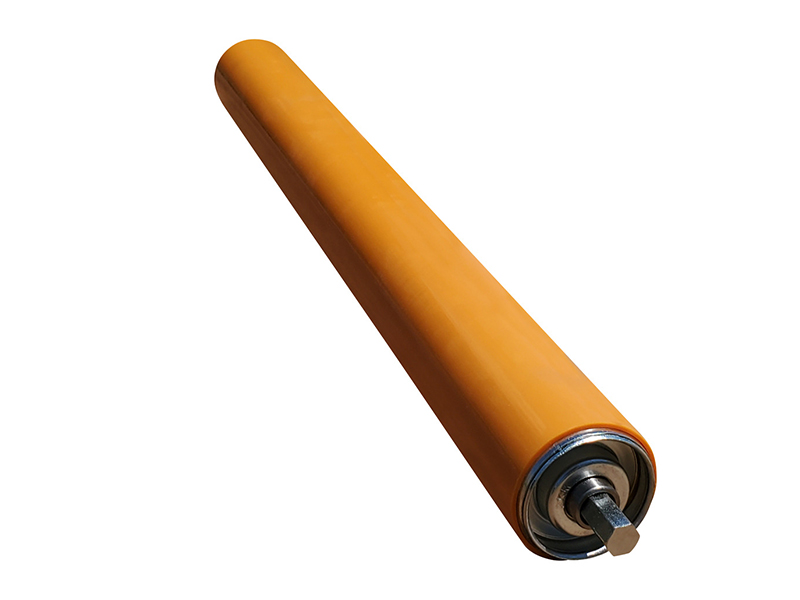
Third, noise reduction. Anyone who's stood next to a metal conveyor knows the clatter. Polyurethane dampens that sound dramatically.
Fourth, chemical and oil resistance. Unlike natural rubber, polyurethane shrugs off grease, solvents, and mild acids.
And fifth, customizability. You can tweak hardness, thickness, and color to match specific needs. Here's a quick comparison:
| Property | Polyurethane Coating | Rubber Coating | Bare Steel |
|---|---|---|---|
| Abrasion Resistance | Excellent | Good | Poor |
| Noise Level | Low | Medium | High |
| Load Capacity | High | Medium | High |
| Chemical Resistance | Strong | Weak | Moderate |
| Cost (Relative) | Medium | Low | Low |
How to Choose a Reliable Wholesale Manufacturer
So you're convinced you need polyurethane rollers. Now, how do you find a wholesale manufacturer who won't let you down? Ask yourself: Does the supplier control its own coating process? Many middlemen outsource coating, leading to inconsistent quality. A reliable manufacturer does everything in-house—from machining the core to bonding the polyurethane.
Next, check certifications and testing protocols. ISO 9001 is a baseline. But ask for specific tests: adhesion strength, hardness (Shore A or D), and dynamic load trials. A trustworthy manufacturer will share these reports without hesitation. Also, consider minimum order quantities (MOQs) and lead times. Some wholesalers demand huge MOQs, which strains small businesses. Others offer flexible MOQs but charge premium prices. Balance is key. Finally, request samples. A roller that looks good in a brochure might fail under real-world stress. Test it yourself.
Applications and Industries Served
Where do these rollers actually show up?
Logistics and warehousing rely on them for sorting parcels, where gentle handling prevents damaged goods.
Food processing uses polyurethane because it's easy to clean and resists oils and fats.
Automotive assembly lines need rollers that won't scratch painted parts.
Mining and quarrying benefit from the abrasion resistance when moving rocks and gravel.
Even airport baggage handling uses them—ever seen a suitcase tumble onto a belt? That smooth landing is often thanks to polyurethane.
And in packaging plants, they handle cardboard, shrink wrap, and delicate electronics.