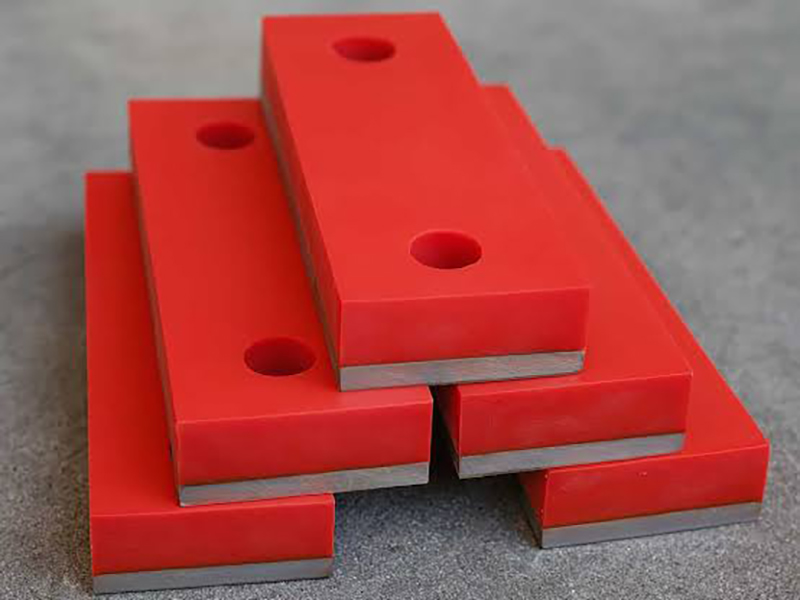
Introduction to Custom Cast Polyurethane Parts
Custom cast polyurethane parts are among the toughest, most versatile components in modern manufacturing, and they're showing up everywhere from factory floors to hospital equipment. It offers the flexibility of rubber but with far greater durability, tear resistance, and load-bearing capacity. Unlike injection-molded plastics, cast polyurethane is poured into molds at room temperature, which means manufacturers can produce small batches or enormous runs without expensive tooling changes.
Why Choose an OEM Factory for Custom Cast Polyurethane Parts
Here's a question worth asking: why not just buy off-the-shelf parts from a distributor? The short answer is fit and performance. An OEM factory of polyurethane builds parts to your exact specifications, not to a generic standard that "might work."
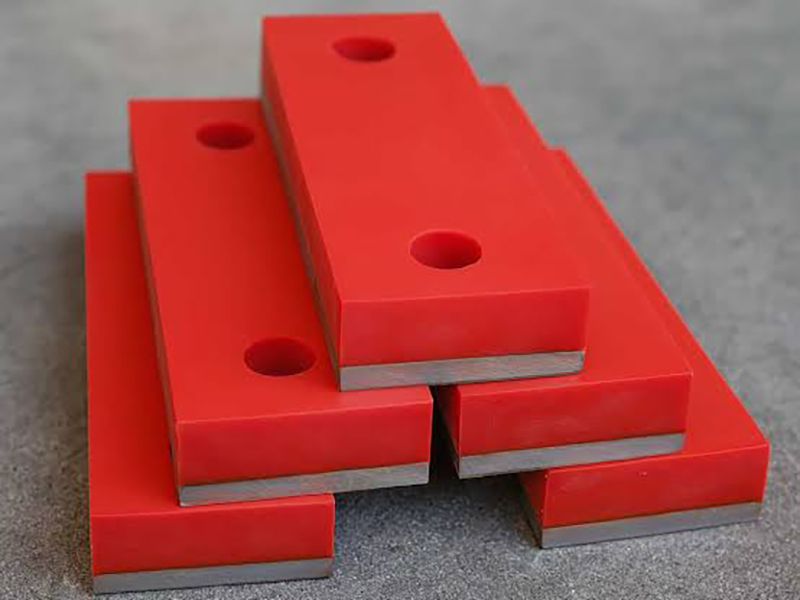
When you work directly with an OEM factory, you gain several advantages.
First, you get engineering support — the factory can recommend durometer hardness, additives, and casting methods based on your application.
Second, you eliminate middlemen markups, which matters enormously when you're ordering in bulk.
Third, you control quality from start to finish, often with access to material certifications and batch testing reports.
Key Applications and Industries Served
You might be surprised by how many industries depend on custom cast polyurethane.
Material handling is a huge one. Conveyor rollers, guide wheels, and wear pads made from cast polyurethane outlast rubber equivalents by two to three times in many cases.
Automotive manufacturing uses polyurethane for suspension bushings, seals, and assembly line fixtures.
Mining and aggregates rely on polyurethane screens and chute liners because they resist abrasion far better than steel in certain conditions. Medical equipment uses it for quiet, non-marking wheels and grips.
Even food processing benefits, since certain polyurethane formulations meet FDA standards.
| Industry | Typical Parts | Key Benefit |
|---|---|---|
| Material Handling | Rollers, wheels, pads | Abrasion resistance |
| Automotive | Bushings, seals | Vibration damping |
| Mining | Screens, liners | Impact strength |
| Medical | Wheels, grips | Non-marking, quiet |
| Food Processing | Conveyor components | FDA-compliant options |
Understanding Bulk Pricing and Cost Factors
Now let's talk money. Why does bulk pricing from an OEM factory differ so much from retail? Several factors come into play.
Volume is the biggest lever. Cast polyurethane manufacturing has fixed setup costs — mold creation, material preparation, curing time. Once those costs are absorbed across thousands of units, the per-part price plummets.
Material formulation also matters: a standard 80A durometer compound costs less than a specialty formula with UV stabilizers or high-temperature additives.
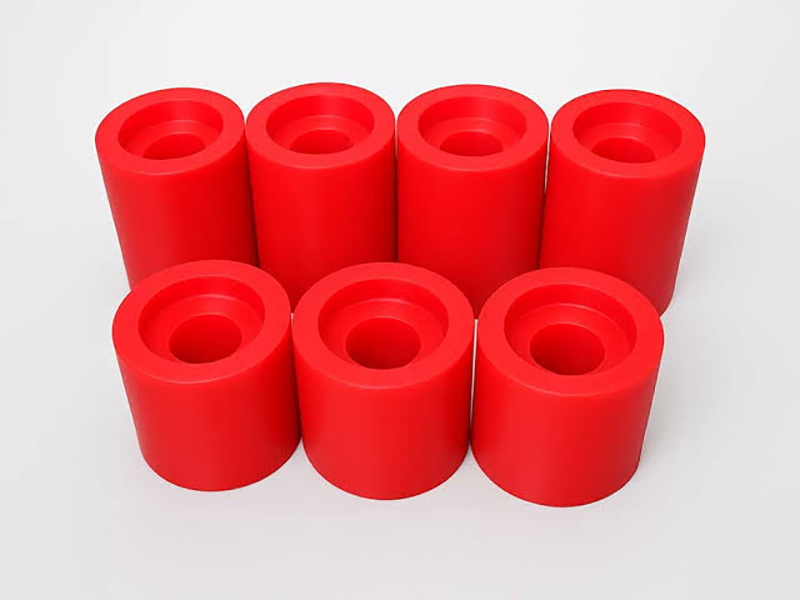
Complexity of design affects labor and mold costs. Simple cylindrical rollers are cheap to cast; intricate geometries with metal inserts require more steps.
In many cases, bulk orders from a direct OEM factory run 30% to 50% cheaper than buying through distributors. The catch is that you need to commit to larger quantities to unlock those tiers.
How to Select the Right OEM Factory Partner
Does the factory have in-house mold-making capabilities? If not, you'll pay extra for outsourcing and wait longer. Can they provide material test reports and sample batches before full production? A reputable partner will insist on it. What's their lead time for bulk orders — weeks or months? And do they offer custom formulation, or do they only work with standard compounds?
Shanghai Quanshixiang Intelligent Technology Co., Ltd. is a specialized OEM factory for custom-cast polyurethane components designed for industrial applications, offering a blend of durability and versatility, along with volume pricing, technical engineering support, and consistent quality.