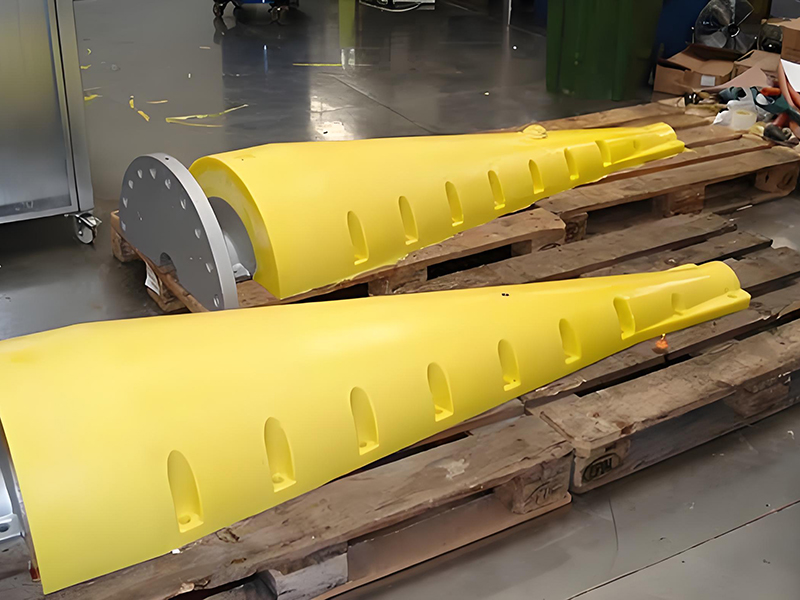
Introduction to Dynamic Bend Stiffeners
Dynamic Bend Stiffeners prevent sharp bends that would otherwise cause catastrophic failure. These cone-shaped devices slide over a cable or umbilical at the point where it meets a rigid structure, gradually increasing stiffness to spread stress over a longer section. Without them, every wave, current, and platform movement would concentrate force at a single point.
Material Properties of Polyurethane
Polyurethane isn't just any plastic—it's a chameleon of materials. By tweaking its chemical recipe, engineers can make it soft as rubber or tough as shoe soles, all while keeping excellent elastic memory.
Unlike steel or rigid composites, polyurethane absorbs energy without cracking, and it resists seawater, UV radiation, and hydrocarbons remarkably well.
Its internal damping capacity is the secret sauce—when a bend stiffener flexes, polyurethane converts much of that mechanical energy into harmless heat instead of letting it tear the material apart. Compare that to traditional elastomers, which often harden and embrittle over time. So, does this mean polyurethane never fatigues? Not quite—but it sure lasts longer.
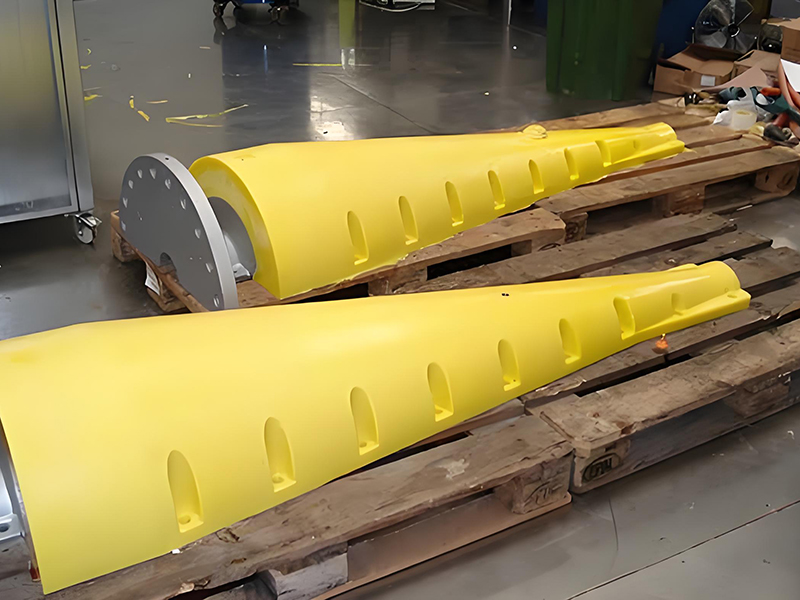
Fatigue Mechanisms in Offshore Environments
Offshore, fatigue isn't a single punch—it's a million tiny jabs. Every wave passing the platform causes the bend stiffener to flex slightly, and over years, those cycles add up. Cracks can initiate at stress concentrations, like where the stiffener meets the cable or where the cone geometry changes abruptly. Polyurethane Dynamic Bend Stiffeners fights back by distributing strain more evenly and by blunting crack tips through local yielding rather than brittle fracture. In essence, it bends instead of breaking.Comparative Fatigue Performance
The table below compares polyurethane with two common alternatives: natural rubber and a glass-reinforced epoxy composite. Notice how polyurethane delivers a sweet spot—not the absolute highest cycles, but far better resistance to crack growth and seawater aging. The key takeaway: polyurethane doesn't win on raw strength; it wins on durability per unit of flexibility.
| Material | Fatigue Life (cycles to failure) | Seawater Aging Resistance | Flexibility (relative) | Cost Index |
|---|---|---|---|---|
| Polyurethane | 2,500,000 | Excellent | High | Medium |
| Natural Rubber | 800,000 | Poor | Very High | Low |
| Glass-Epoxy Composite | 5,000,000 | Good | Low | High |
| Polyurethane (aged) | 1,800,000 | — | High | — |